A Glass Act – the cheap taste of Brazil while abroad
The United Nations convened in Belém this week to discuss climate action. The panels ran long. The commitments were vague. The wine at dinner afterward
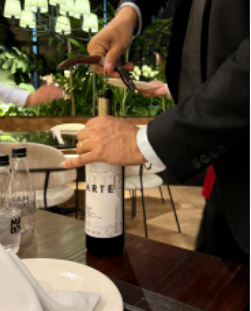
The United Nations convened in Belém this week to discuss climate action. The panels ran long. The commitments were vague. The wine at dinner afterward justified the airfare.
Casa Valduga Arte Forza Blend. Serra Gaúcha, Brazil. Cabernet Sauvignon and Merlot—50 reais retail, roughly ten dollars American before your credit card remembers to charge you for the privilege of spending money abroad. 12.5 percent alcohol. Estate-bottled by Casa Valduga, a family operation since 1875, back when “estate-bottled” actually meant something. The label reads “Arte Forza”—strength through art—which sounds better in Portuguese than it does translated but holds up either way.
Look: Ruby red, violet at the edges. Looks like it should cost more than it does, which is the kind of visual deception we can support.
Nose: Blackberry, plum, spice. Clean. No off-notes requiring creative reframing as “character.”
Taste: Dark fruit—cherry, plum, blackberry. Full-bodied, round, warm but not aggressive. Tannins show up soft, present without making themselves a problem. Oak contributes spice and depth in a way that suggests barrels were actually involved rather than wood chips and good intentions. The woody notes linger—natural, deep, the kind you get when someone knows what they’re doing.
Finish: Sticks around. Warmth on your palate, not heat, just a reminder that this is wine. Polite about it. Eventually leaves.
Serve it right: Room temperature, or whatever the restaurant decides that means. This wine doesn’t care. Neither should you.
Pairings: Steak with chimichurri. Conference dinners where the keynote ran over and everyone’s too tired for small talk. Conversations conducted mostly in gestures and optimistic nodding.
Verdict: This costs ten dollars. Worth saying twice: ten dollars. For a wine this structured, this smooth, this competent at being wine, that price makes Minnesota’s markups look less like retail and more like performance art. Brazilian wine doesn’t apologize. It doesn’t need to.
Rating: 8.5/10—Worth the flight.
The conference will end. Delegates will go home and implement commitments with varying degrees of enthusiasm. We will go home having confirmed that good wine costs ten dollars if you’re willing to buy it somewhere other than Total Wine. The panels discussed renewable energy transitions and carbon neutrality with appropriate seriousness. The wine just was good, which turned out to be enough.
— Gabe Evenocheck & Ben Bugbee
Bureau of International Viticulture and Carbon Offset Studies
(For readers 21 and older. Our lawyers wanted us to clarify that means 21+ in the U.S., 18+ in Brazil, because apparently drinking ages vary and disclaimers should acknowledge this.)