Streetwear part two: the origins of streetwear brands
Hello divas! Here is the second installation of streetwear’s origins. I briefly mentioned the essentials of streetwear fashion. New York hip hop and west coast
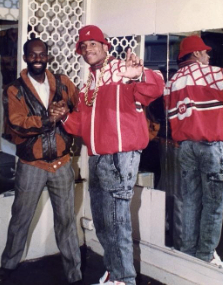
Hello divas! Here is the second installation of streetwear’s origins. I briefly mentioned the essentials of streetwear fashion. New York hip hop and west coast surf and skate cultures paved the way and directly influenced early streetwear movements in Japan. It may seem like streetwear is everywhere today, but it used to be a subculture that rebelled against the mainstream. It’s ironic the antithesis to high fashion eventually collaborated with high fashion, mainstream brands such as Balenciaga, Louis Vuitton, Gucci, etc. Now, streetwear is just as, if not more, significant to high fashion as tailored, “classic” styles. A counterculture has become the norm.
The pioneers of the then counterculture founded brands that we know today: Shawn Stussy’s brand Stüssy, James Jebbia’s Supreme and Nigo’s Bape. Other founders that were equally instrumental to the streetwear movements were Karl Kani, Willi Smith, Hiroshi Fujiwara and Dapper Dan. Although all of these people are men, women have been integral since streetwear’s birth. Mary Ann Fusco opened Union with Jebbia and influenced Supreme’s identity early on. Erin Magee has a line, MadeMe, but runs development, special projects and production at Supreme.
Dapper Dan is considered the “Godfather” of street fashion because of his trailblazing actions starting in the 1980s. Daniel Day was born in Harlem in 1944, just after the peak of the Harlem Renaissance. His store, Dapper Dan’s Boutique, opened in 1982. Dan would put prominent logos such as Gucci and Louis Vuitton on “everyday” clothes. These “counterfeit” pieces gained popularity and celebrities like Mike Tyson and LL Cool J would where his pieces. It was, however, illegal, and his business was shut down. Logos became a huge part of fashion, greatly influenced by Dapper Dan, but his styles were eventually used by the fashion houses that shut him down. In 2017, he became a collaborator of Gucci after several years of it using his ideas for their clothes. What a cool guy.
As I stated previously, streetwear is one of my favorite styles, and I’m glad I could dive into its origin story a bit more this week. Stay tuned for the next edition! And of course, stay stylin!